

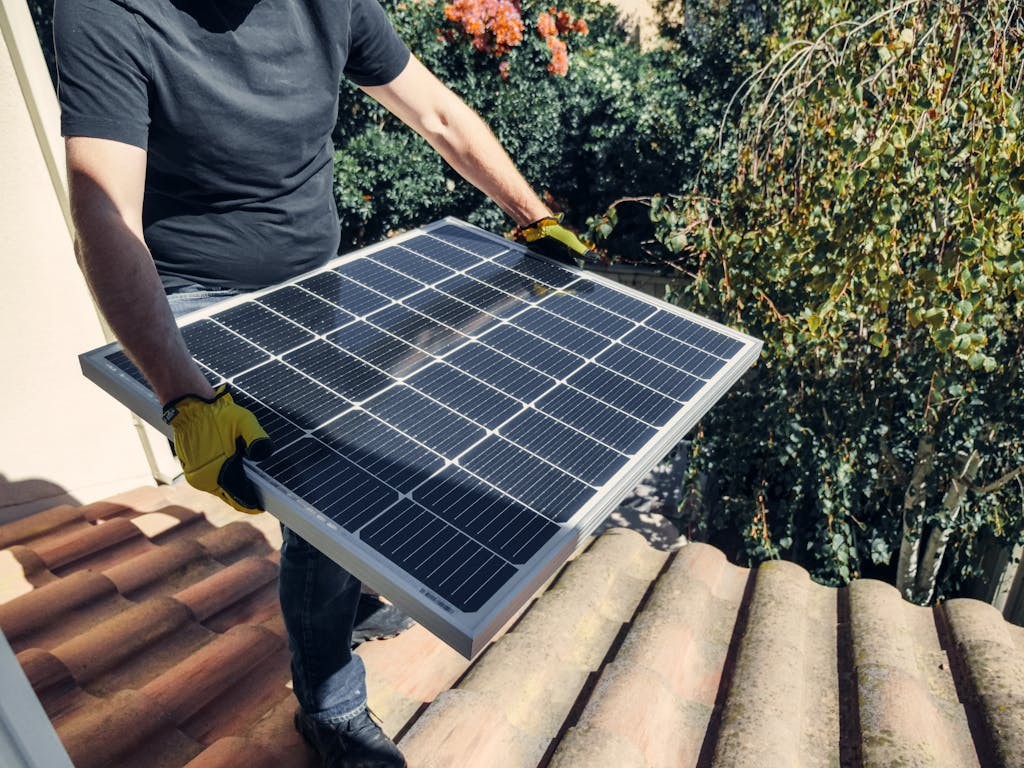
With electricity rates up 25% since 2020, homeowners are feeling the pinch of rising utility bills. A solar system service offers a smart way to cut costs, boost home value, and gain energy independence. At TruLine Solar, our solar system service delivers affordable, reliable solar solutions that save you thousands over time. But is solar really worth it financially?
This guide breaks down the savings, costs, incentives, and factors that make a solar system service a game-changer for your wallet.
Why Solar’s Financial Appeal Matters in 2025
In 2025, with living costs climbing, a solar system service is more than a green choice—it’s a financial strategy. By generating your own electricity, you reduce reliance on utilities, protect against rate hikes, and increase your home’s value. Solar system service costs have dropped, with efficient panels and streamlined installations making solar more accessible than ever, per SEIA.
How Solar Saves Money
A solar system service delivers immediate and long-term savings:
- Lower Bills: Slash electricity costs by 50–100%, saving $1,500–$2,000/year for a typical 6 kW system, per EnergySage.
- Payback Period: Recoup your investment in 6–10 years, then enjoy 15–20+ years of near-free electricity.
- Home Value Boost: Solar homes sell for 4.1% more, adding ~$15,000 to a $350,000 home, per Zillow.
Over 25 years, savings can reach $37,500–$50,000, depending on location and usage.
Factors Affecting Solar Savings
Your financial return depends on:
- Location: Sunny states (e.g., CA, TX, AZ) yield higher output; cloudier areas still save due to high rates.
- Electricity Rates: Higher rates (e.g., 15¢/kWh) mean bigger savings.
- Incentives: Federal ITC (30%) and state rebates cut costs by 20–50%.
- System Size: A 6–10 kW system offsets most home usage but balances cost.
- Installation Quality: A trusted solar system service like TruLine Solar ensures efficiency and longevity.
Breaking Down Solar Costs
The cost of solar panel installation averages $18,000–$22,000 for a 6–8 kW system in 2025, per EnergySage. Breakdown:
- Panels & equipment: $10,000–$15,000
- Inverter & wiring: $2,000–$3,000
- Labor & installation: $3,000–$5,000
- Permits: $500–$1,000
The 30% federal ITC reduces costs by $5,400–$6,600, bringing net costs to $12,600–$15,400.
Example: A $20,000 system with a $6,000 ITC costs $14,000. With $1,800/year savings, payback occurs in ~7.8 years, followed by $30,600–$43,200 in savings over 25 years.
Solar Batteries: Worth the Cost?
Batteries (e.g., Tesla Powerwall, $8,000–$12,000) store excess energy for nighttime or outages. They add to upfront costs but are valuable if:
- You face frequent blackouts
- Your utility has poor net metering or time-of-use rates
- You want energy independence
Batteries save $500–$1,500/year in some cases and qualify for the 30% ITC. Start with a solar system service and add storage later if needed.
When Solar Pays Off Most
A solar system service maximizes ROI when:
- You own your home and plan to stay 5+ years
- Bills exceed $150/month
- Your roof is south-facing with good sun exposure
- Local incentives (e.g., SRECs, property tax exemptions) apply
TruLine Solar’s free assessments confirm your home’s potential.
Busting Solar Myths
- “Solar is too expensive.” Solar system service costs are down 50% since 2010, with financing making it affordable, per SEIA.
- “It only works in sunny places.” High rates in cloudy areas (e.g., Northeast) still yield strong savings.
- “My roof is unsuitable.” Alternatives like ground mounts or carports work, per EnergySage.
Financing Options
A solar system service fits various budgets:
- Cash Purchase: Max savings and ROI, full ITC benefits.
- Solar Loan: Low or no upfront cost, payments often less than utility bills.
- Lease/PPA: Lower savings, no ownership, but minimal upfront cost.
TruLine Solar helps you choose the best option.
Key Incentives
- Federal ITC: 30% credit through 2032, dropping to 26% in 2033, 22% in 2034.
- State/Local Incentives: Property tax exemptions, SRECs ($100–$200/year), or rebates.
- Net Metering: Full retail credits for excess energy, cutting bills further.
Solar and Home Value
Solar homes sell 20% faster and for 4.1% more, per NREL and Zillow. Buyers value savings and eco-appeal, making a solar system service a smart investment.
The Emotional Win
Beyond dollars, a solar system service offers peace of mind. Imagine a $0 utility bill or powering your home during outages. Solar means control in an unpredictable world.
Why TruLine Solar?
TruLine Solar delivers a premium solar system service:
- Custom Designs: Systems tailored to your home and budget.
- Transparent Quotes: Clear costs with all incentives included.
- Expert Installation: Certified technicians ensure 25–30-year performance.
- Ongoing Support: Maintenance and monitoring for peak efficiency.
- Incentive Expertise: Maximize ITC, SRECs, and local rebates.
We make solar simple and profitable.
Conclusion: Solar Is Worth It with TruLine Solar
Is a solar system service financially worth it? Absolutely. With savings of $37,500–$50,000 over 25 years, a 6–10-year payback, and a 4.1% home value boost, solar is a no-brainer. TruLine Solar’s solar system service delivers affordable, reliable solutions to cut costs and secure your energy future.
Ready to save with a solar system service? Contact TruLine Solar for a free consultation and custom quote today.
Get Started: Call or visit our website to unlock the financial benefits of a solar system service.
Frequently Asked Questions
2.Is it worth it to finance solar?
Yes, loans often replace utility bills, offering savings with minimal upfront costs.
3.Do people actually save money with solar?
Yes, most save 50–100% on bills, recouping costs in 6–10 years.
4.Is it better to rent or buy solar?
Buying offers better savings and home value; leasing has lower upfront costs but fewer benefits.
5.How much does solar reduce your electric bill?
By 50–100%, depending on system size and location, per EnergySage.