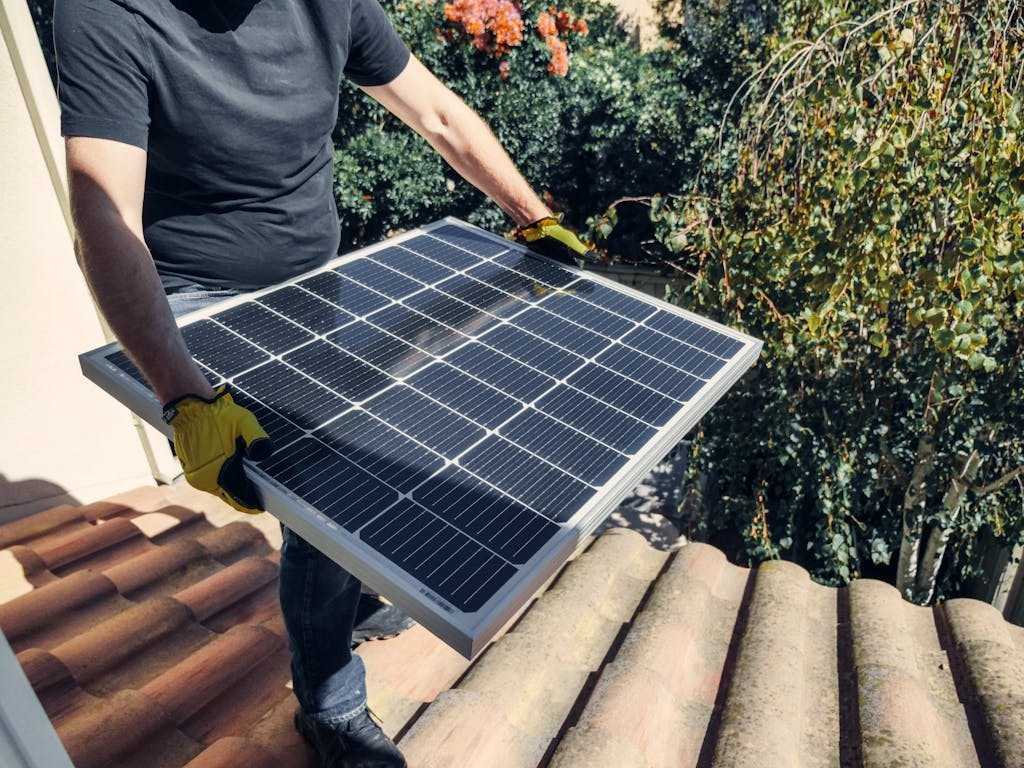
As energy costs climb and environmental concerns grow, homeowners are increasingly turning to solar energy to power their homes sustainably. A key question many ask is: How much do home solar panel systems typically cost to install? At TruLine Solar, we’re here to break down the costs, factors, and financial benefits of installing the best solar panels for home use, so you can make an informed decision with confidence.
This guide covers everything from installation costs to incentives, financing options, and why partnering with TruLine Solar ensures you get top-quality systems tailored to your needs.
What Determines the Cost of Home Solar Panel Installation?
The cost of installing solar panels varies based on several factors. Understanding these helps you anticipate expenses and maximize value:
- System Size: Measured in kilowatts (kW), larger systems (e.g., 10 kW) cost more but generate greater savings than smaller ones (e.g., 4 kW). Your energy usage determines the ideal size.
- Panel Quality: The best solar panels for home—like high-efficiency monocrystalline panels—cost more upfront but deliver superior performance and longevity, saving you more over time.
- Installation Complexity: Roof type (e.g., tile, metal, pitched), shading, and location impact labor and material costs. Complex installations may increase expenses.
- Additional Components: Inverters, mounting hardware, and optional battery storage add to the total cost but enhance system performance.
Typical Costs of Home Solar Panel Systems
At TruLine Solar, we prioritize transparent pricing. On average, residential solar installations cost $2.50–$4.00 per watt, translating to $10,000–$30,000 before incentives, depending on system size and complexity. Here’s a breakdown:
- Small system (4 kW): ~$10,000–$16,000
- Medium system (7 kW): ~$17,500–$28,000
- Large system (10 kW): ~$25,000–$40,000
These costs cover panels, inverters, mounting hardware, wiring, and professional installation by certified technicians.
How Incentives Slash Your Solar Costs
Generous incentives make solar more affordable than ever:
- Federal Residential Clean Energy Credit (ITC): Claim 30% of your system’s cost (including installation and batteries) as a tax credit through 2032, dropping to 26% in 2033 and 22% in 2034. There’s no cap, and unused credits roll over.
- State and Local Incentives: Many states offer rebates, tax credits, or property tax exemptions. Check the Database of State Incentives for Renewables & Efficiency (DSIRE) for local programs.
- Net Metering: Earn credits for excess energy sent to the grid, reducing or eliminating utility bills.
For example, a $20,000 system could be reduced to $13,000 after a $6,000 federal tax credit and a $1,000 state rebate, significantly lowering your net cost.
Is Solar a Smart Financial Investment?
Absolutely. Installing the best solar panels for home with TruLine Solar delivers immediate and long-term financial benefits:
- Energy Savings: Cut utility bills by 20–80%, saving $20,000–$60,000 over the system’s 25–30-year lifespan.
- Strong ROI: Payback periods typically range from 6–10 years, after which electricity is essentially free.
- Increased Home Value: Solar-equipped homes sell for 4–7% more and faster, per Zillow studies.
- Rate Protection: Shield yourself from rising utility rates (2–3% annually).
Achieving Energy Independence with Solar
Solar panels empower you to take control of your energy:
- Reduced Utility Reliance: Generate most or all of your electricity, minimizing dependence on the grid.
- Stable Costs: Lock in energy expenses, avoiding unpredictable rate hikes.
- Outage Protection: Pair with battery storage for power during blackouts or peak-rate hours.
- Net Metering Benefits: Earn credits for surplus energy, further lowering bills.
- Sustainability: Reduce your carbon footprint by cutting fossil fuel reliance.
TruLine Solar designs systems to maximize your energy independence, tailored to your home’s needs and goals.
Buy vs. Lease: Which Is Right for You?
Choosing between buying or leasing depends on your priorities:
- Leasing: No upfront cost, fixed monthly payments, and provider-managed maintenance. However, you miss out on tax credits and full savings.
- Buying: Own your system,