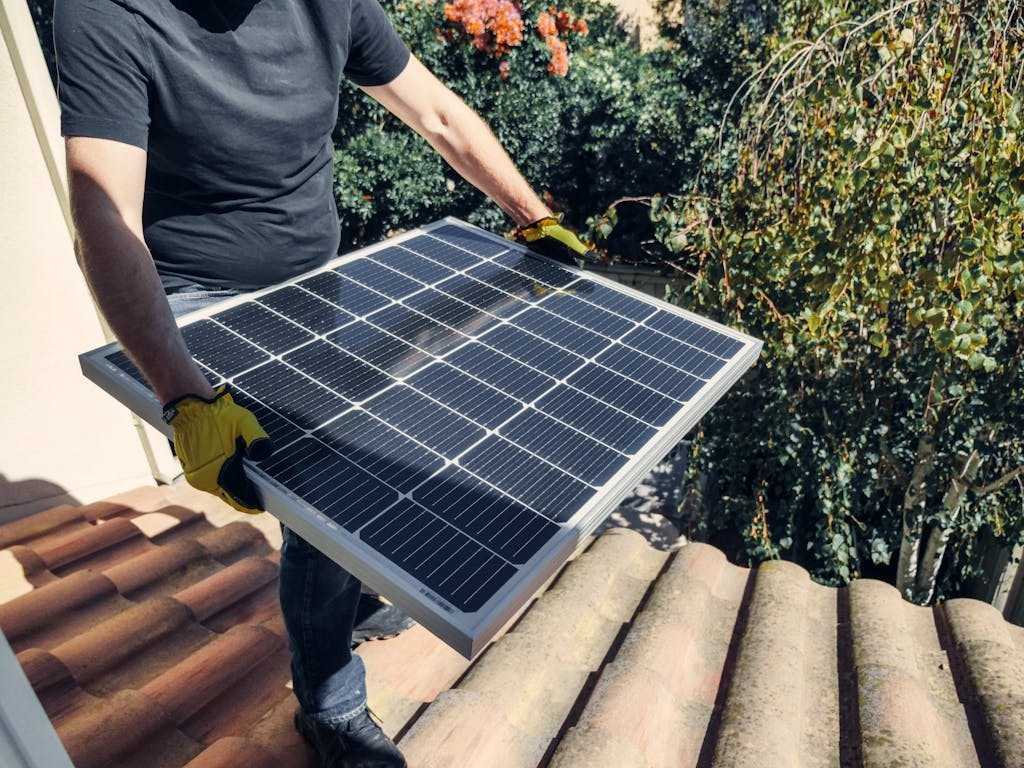
Homeowners across the U.S. are increasingly adopting solar energy as a cleaner, more sustainable alternative to traditional electricity. With rising utility costs and growing environmental concerns, installing solar panels is no longer just a trend—it’s a strategic investment in your home and the planet. But the question remains: Are home solar panels worth it? To answer, we’ll explore costs, savings, incentives, installation, and the role of affordable solar battery systems in a clear, comprehensive way to help you make an informed decision.
Understanding the Basics of Home Solar Panels
Home solar panels consist of photovoltaic (PV) cells that convert sunlight into electricity, powering appliances, lighting, and HVAC systems. Most residential systems are grid-tied, connecting to the local utility grid for seamless energy use and net metering, where excess energy is fed back to the grid for credits.
Key components include:
- Solar panels (PV modules): Convert sunlight into electricity.
- Inverter: Converts DC electricity to usable AC power.
- Mounting system: Secures panels to your roof or ground.
- Wiring and electrical components: Connects the system.
- Battery storage (optional): Stores excess energy for backup or nighttime use.
Are Home Solar Panels Worth It?
Evaluating the value of solar panels involves weighing several measurable benefits:
1. Significant Electricity Bill Savings
Solar panels can drastically reduce your monthly utility bills. Studies show homeowners can save $20,000–$60,000 over a system’s 25–30-year lifespan, depending on local electricity rates and system size. In high-cost states like California or New York, the internal rate of return (IRR) can exceed 15–20%, surpassing many traditional investments.
2. Strong Return on Investment (ROI)
The payback period for solar panels typically ranges from 6 to 10 years, influenced by system cost, local rates, and incentives. After this, your system generates essentially free electricity. Over 25 years, savings can exceed 2–3 times the initial investment, especially with rising utility rates.
3. Increased Property Value
Homes with solar systems are more appealing to buyers. Research from Zillow indicates solar panels can boost home value by 4–6%, with some studies citing up to 7% in premium markets. Solar-equipped homes often sell faster due to lower future energy costs for buyers.
4. Environmental Impact
Solar energy significantly reduces your carbon footprint. According to Columbia University, solar panels are more efficient at reducing carbon emissions per acre than planting trees. By cutting reliance on fossil fuels, solar contributes to cleaner air and a healthier planet.
Government Support and Tax Incentives
The Residential Clean Energy Credit (Federal Solar Tax Credit)
The federal solar tax credit is a major incentive, allowing you to deduct 30% of your system’s cost (including installation and battery storage) from your federal taxes for systems installed between 2022 and 2032. Key details:
- Credit rates: 30% (2022–2032), 26% (2033), 22% (2034), expires in 2035 unless extended.
- Eligible systems: Solar panels, solar water heaters, geothermal heat pumps, wind turbines, and battery storage (since 2023).
- No cap: Claim the full credit, with unused portions rolling over to future tax years.
Eligibility Requirements:
- System installed between January 1, 2017, and December 31, 2034.
- Located at a U.S. residence you own or occupy (primary or second home, not rented out).
- System must be new and owned (not leased).
- Partial credit available for mixed-use properties (e.g., home offices).
State and Utility Incentives
Many states offer additional benefits, such as:
- State tax credits or cash rebates.
- Property and sales tax exemptions.
- Net metering programs for energy credits.
The Database of State Incentives for Renewables & Efficiency (DSIRE) provides a detailed list of state-specific programs. Note: Subtract utility rebates from your federal tax credit calculation, as they reduce the eligible system cost.
Factors Influencing Solar Panel Performance
Several factors affect your system’s efficiency and ROI:
- Roof orientation and tilt: South-facing roofs with a 15°–40° tilt maximize energy production. East/west-facing roofs may lose 10–15% efficiency.
- Shade: Even partial shading from trees or structures can reduce output by up to 20%.
- Climate: Sunny regions like Arizona or California yield higher production than cloudier areas.
- Panel quality: High-efficiency panels (e.g., monocrystalline) produce more power per square foot and last longer.
- System sizing: A system tailored to your energy needs optimizes savings; oversizing increases costs, while undersizing limits benefits.
- Maintenance: Dust or debris can cut efficiency by 5–10%. Annual cleaning and inspections ensure peak performance.
The Role of Net Metering
Net metering allows you to earn credits for excess solar energy sent to the grid, offsetting costs when your panels aren’t producing (e.g., at night). Benefits include:
- Bill credits: Reduce or eliminate electricity costs.
- Faster ROI: Credits shorten the payback period.
- Energy flexibility: Balance daytime production with nighttime use.
TruLine Solar designs systems to maximize net metering benefits, tailored to your utility’s policies.
Enhancing Value with Affordable Solar Battery Systems
An affordable solar battery, such as the Tesla Powerwall or Enphase IQ Battery, stores excess energy for use during outages, peak-rate hours, or at night. With time-of-use billing becoming common, batteries help avoid high-cost periods, enhancing savings. Key advantages:
- Energy independence: Power your home during blackouts.
- Cost savings: Use stored energy during peak rates.
- Tax credit eligibility: Batteries qualify for the 30% federal credit when paired with solar.
TruLine Solar offers expert guidance on integrating cost-effective battery solutions to maximize your system’s value.
Financing Options for Accessibility
Solar is more affordable than ever, thanks to flexible financing:
- Solar loans: Pay over time with monthly payments often lower than your current utility bill. Ownership qualifies you for all incentives.
- Cash purchase: Maximizes long-term savings and tax benefits.
- Leases/PPAs: No upfront cost, but you pay for energy produced and miss out on ownership benefits like tax credits.
TruLine Solar helps you compare options to find the best fit for your budget and goals.
Long-Term Energy Independence
Solar panels lock in predictable energy costs, shielding you from rising utility rates (historically increasing 2–3% annually). Paired with an affordable solar battery, you gain resilience against outages and greater control over your energy future.
Why Choose TruLine Solar?
TruLine Solar is your trusted partner for a seamless solar experience. Our services include:
- Custom installations: High-efficiency panels designed for maximum output and aesthetic appeal.
- Battery integration: Reliable, affordable solar battery systems for energy security.
- Tailored sizing: Systems optimized for your energy needs and local conditions.
- Flexible financing: Loans and cash options to make solar accessible.
- Ongoing support: Performance monitoring and maintenance to ensure long-term efficiency.
Conclusion: Are Solar Panels Worth It?
For most homeowners, home solar panels are a worthwhile investment. They deliver significant savings, boost property value, reduce environmental impact, and offer energy independence, especially when paired with an affordable solar battery. With federal and state incentives, solar is more accessible than ever.
TruLine Solar provides expert guidance, premium installations, and ongoing support to help you harness the power of solar. Ready to take control of your energy future? Contact our team for a free consultation today and discover how solar can transform your home. Get Started: Call TruLine Solar or visit our website to schedule your free solar assessment and start saving.