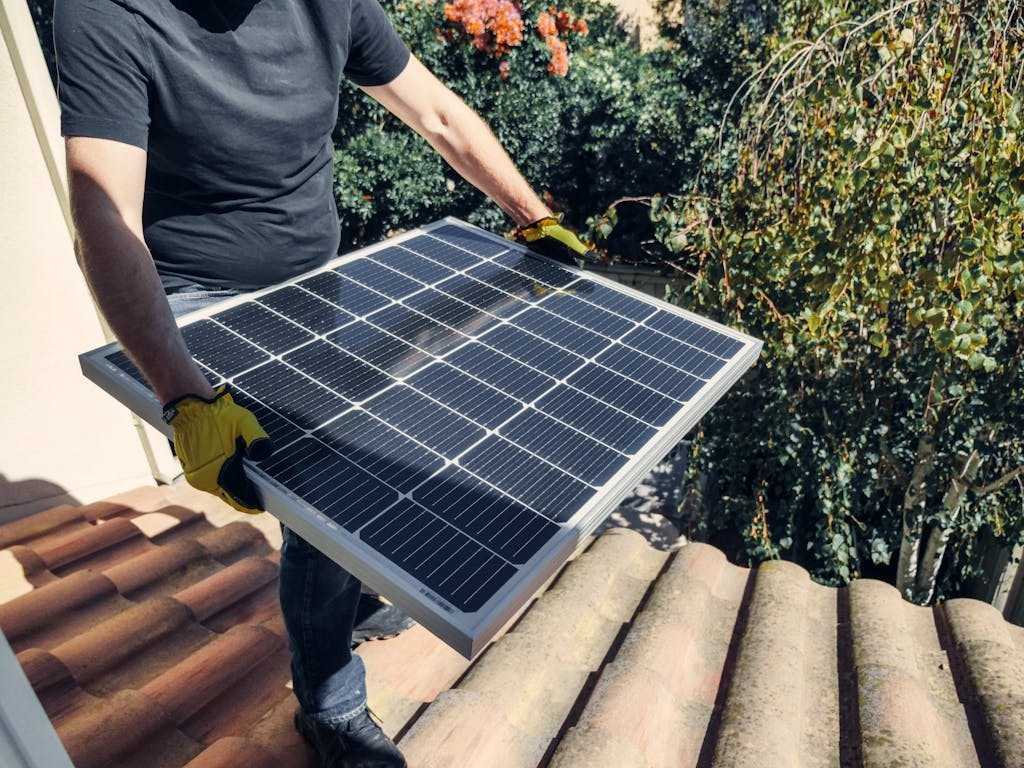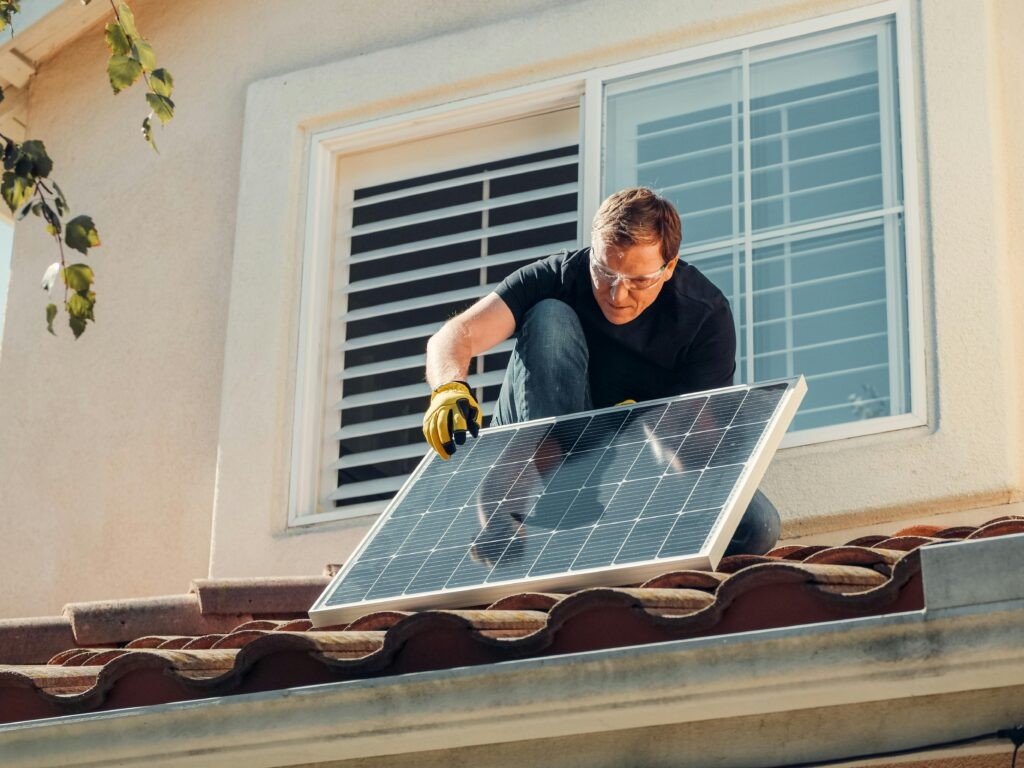
The best solar panels for home use save money and reduce your carbon footprint, but do they need maintenance? The short answer: yes, but it’s minimal. With the right care, the best solar panels for home use maintain peak performance for 25–30 years. At TruLine Solar, our solar system service ensures your panels stay efficient with smart monitoring and expert support.
This guide explores what maintenance involves, how it impacts performance, and how to keep your best solar panels for home use shining for decades.
How Solar Panels Work
The best solar panels for home use convert sunlight into electricity via photovoltaic (PV) cells, typically silicon-based. Photons hit the cells, freeing electrons to create direct current (DC), which an inverter converts to alternating current (AC) for home use. Obstructions like dirt or shading can reduce efficiency, making maintenance key to maximizing output, per NREL.
How Much Maintenance Is Needed?
The best solar panels for home use are low-maintenance, with no moving parts and 25–30-year lifespans. Routine care ensures 95–98% efficiency:
- Cleaning: 1–2 times/year to remove dirt or debris.
- Inspections: Every 2–3 years to check wiring and mounts.
- Monitoring: Use apps to track performance.
Rain often cleans panels naturally, especially if tilted, per EnergySage.
Signs Your Panels Need Attention
Watch for:
- Reduced Output: A drop in energy production (e.g., 5–10% below normal) may indicate dirt or shading.
- Visible Debris: Dust, bird droppings, or leaves on panels.
- Shading: New tree growth or structures blocking sunlight.
- Physical Damage: Cracks or corrosion needing professional inspection.
TruLine Solar’s monitoring systems alert you to issues, ensuring quick fixes.
Common Causes of Efficiency Loss
Environmental factors can impact performance:
- Bird Droppings: Sticky and sunlight-blocking, especially near trees.
- Dust/Grime: From roads or construction, reducing output by 1–10%.
- Pollen/Pollutants: Temporary buildup, often cleared by rain.
- Weather: Mineral deposits from rain or cicada residue in some areas.
The best solar panels for home use have anti-reflective coatings to minimize buildup, per SEIA.
How Dirt Affects Efficiency
Dirty panels can lose 1–25% efficiency, though 5–10% is typical in most environments, per NREL. Tilted panels in rainy areas stay above 95% efficiency naturally. In dusty or flat-panel setups, cleaning restores performance, ensuring maximum savings.
How Often to Clean Panels
Cleaning frequency depends on your environment:
- Every 6 Months: Moderate dust, pollen, or bird droppings (e.g., urban or tree-heavy areas).
- Once a Year: Rainy, clean environments.
- More Often: Flat panels, dusty regions, or near busy roads.
TruLine Solar’s monitoring tools pinpoint when cleaning is needed, saving costs.
Risks of Neglecting Maintenance
Skipping maintenance causes minor efficiency losses (1–10%), but consistent neglect in dusty areas may increase wear. The best solar panels for home use are durable, but regular care prevents gradual buildup and protects your investment.
Safe Cleaning Methods
Improper cleaning can damage panels or void warranties. Avoid:
- Pressure washers (risk of cracks)
- Abrasive brushes (scratches reduce efficiency)
- Harsh chemicals (etch glass or corrode components)
Safe Options:
- Professional Cleaning: Experts use soft brushes and safe solutions, ensuring no damage.
- DIY Cleaning (with Caution): Use a soft cloth, mild soap, and a hose from ground level. Avoid roof climbing due to fall risks.
TruLine Solar offers professional cleaning for safety and efficiency.
Additional Maintenance Tasks
Beyond cleaning, maintain your best solar panels for home use with:
- Wiring/Mount Checks: Annual inspections for loose connections or corrosion.
- Inverter Monitoring: Address faults promptly (inverters last 10–15 years).
- Tree Trimming: Prevent shading and debris.
- Damage Checks: Look for cracks or discoloration.
Regular solar system service catches issues early, per EnergySage.
Benefits of Maintenance
Maintaining the best solar panels for home use ensures:
- Maximum output ($1,500–$2,000/year savings)
- 25–30-year lifespan with 80–85% efficiency
- Fewer repairs, saving costs
- Reduced carbon footprint
Choosing the Best Solar Panels for Home Use
Select panels with:
- High efficiency (15–22%)
- Durable, anti-reflective glass
- 20–25-year warranties
- Trusted brands (e.g., Maxeon, LG)
The best solar panels for home use minimize maintenance needs, per SEIA.
Why TruLine Solar?
TruLine Solar delivers the best solar panels for home use with:
- Custom Designs: Tailored for your roof and budget.
- Expert Installation: Certified technicians ensure durability.
- Advanced Monitoring: Real-time alerts for performance issues.
- Transparent Quotes: Clear costs with incentives included.
- Ongoing Support: Professional cleaning and maintenance.
We make your solar system service hassle-free and reliable.
Conclusion: Minimal Maintenance, Maximum Value
Do the best solar panels for home use need maintenance? Yes, but it’s minimal—1–2 cleanings/year and periodic checks keep them at 95–98% efficiency for 25–30 years. TruLine Solar’s solar system service ensures your best solar panels for home use deliver $37,500–$50,000 in savings and a 4.1% home value boost, per Zillow.
Ready to power your home with the best solar panels for home use? Contact TruLine Solar for a free consultation and custom solar system service plan today.
Get Started: Call or visit our website to keep your solar investment shining.
Frequently Asked Questions
2.How often does a solar panel need to be cleaned?
1–2 times/year, or more in dusty or tree-heavy areas, per EnergySage.
3.How do I know if my solar panels need cleaning?
- Check for reduced output or visible dirt/debris; monitoring apps alert you.
4.What is the lifespan of a solar panel?
- 25–30 years, with 80–85% efficiency remaining, per NREL.
5.Can you walk on solar panels to clean them?
No, walking risks cracks and warranty voids; use professional cleaning or safe tools.