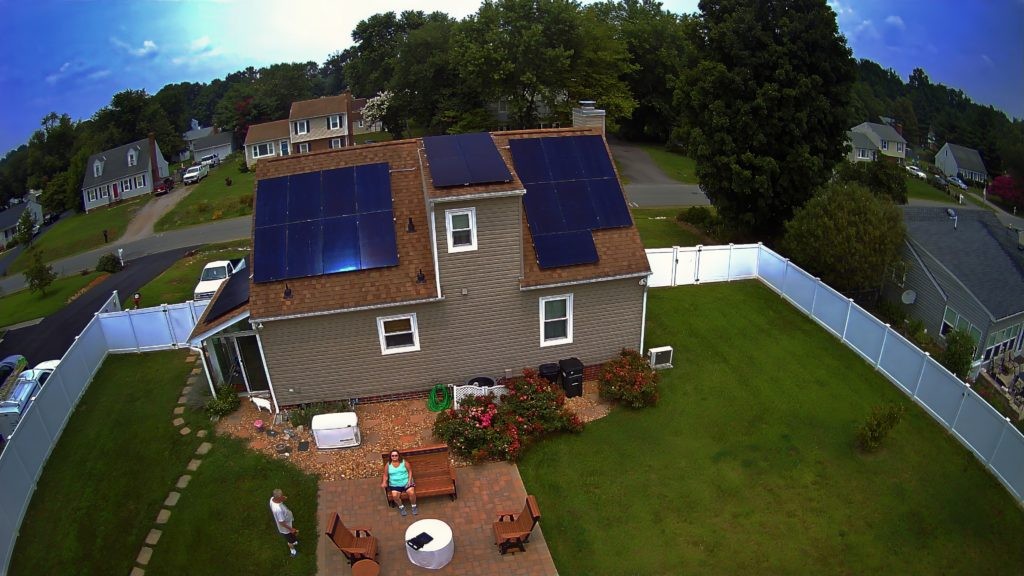
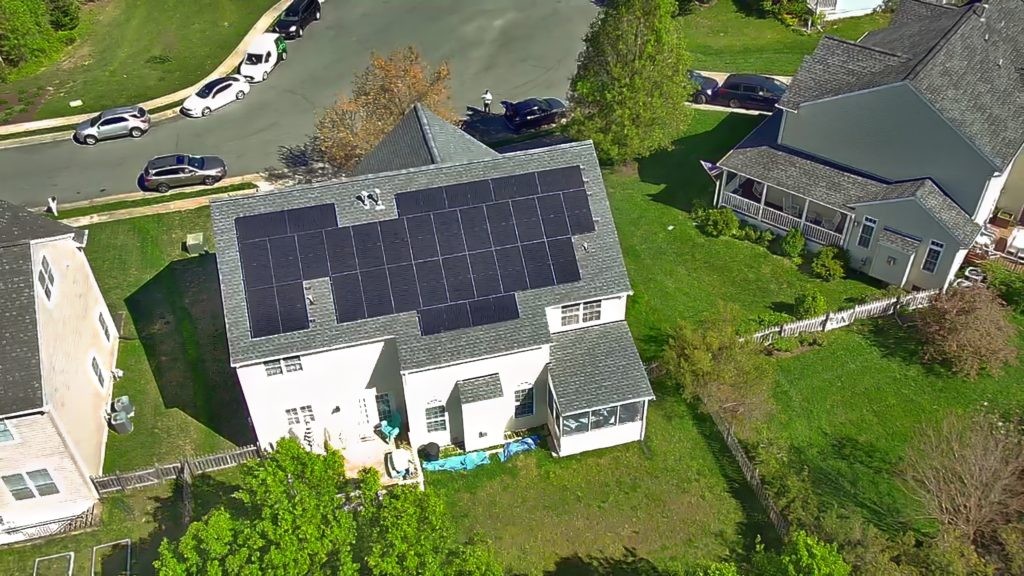
Solar energy is a smart, sustainable way to power your home, cut electricity bills, and reduce your environmental impact. A common question homeowners ask is: How many solar panels do I need? The answer depends on your energy usage, location, and home characteristics. At TruLine Solar, we make solar panel installation seamless, helping you determine the perfect system size for your needs.
This guide breaks down the factors affecting panel count, provides a step-by-step calculation, and explains why partnering with TruLine Solar ensures a tailored, high-value solar panel installation.
Step 1: Understand Your Energy Needs
To determine how many solar panels you need, start with your home’s energy consumption, measured in kilowatt-hours (kWh) on your electric bill.
- Check Your Usage: Review your monthly or annual kWh usage. For example, an average U.S. home uses about 900 kWh/month (10,800 kWh/year). Annual data accounts for seasonal variations (e.g., higher AC use in summer).
- Why It Matters: Your usage determines the system size needed to offset your bill fully or partially. Knowing peak usage times (e.g., evenings) can also guide decisions about battery storage.
Step 2: Know Solar Panel Output
Solar panels are rated in watts, indicating their electricity output under ideal conditions.
- Wattage: Most residential panels produce 300–400 watts, with 320 watts as a typical average.
- Efficiency: Higher-efficiency panels (e.g., monocrystalline, >20%) generate more power per square foot, reducing the number needed.
- Size: A standard panel is ~17.5 square feet (65 x 39 inches). A 6 kW system (18–20 panels at 320 watts) requires ~315–350 square feet of roof space.
Higher-wattage, efficient panels mean fewer panels for the same energy output, optimizing your solar panel installation.
Step 3: Factor in Sunlight Availability
Your location’s sunlight, measured in peak sun hours (hours per day with 1,000 watts/square meter of solar irradiance), impacts panel output.
- Examples: Sunny areas like California or Arizona get 5–6 peak sun hours; cloudier regions like the Northeast get 3–4.
- Production Ratio: This accounts for real-world losses (e.g., shading, weather). In the U.S., ratios range from 1.0–1.6. A 5 kW system with a 1.5 ratio produces ~7,500 kWh/year.
More peak sun hours mean fewer panels to meet your energy needs.
Step 4: Calculate Your Panel Count
Here’s how to estimate how many solar panels you need:
- Find Daily Energy Usage: Divide annual kWh by 365. Example: 10,800 kWh/year ÷ 365 = ~29.6 kWh/day.
- Determine System Size: Divide daily usage by peak sun hours. Example: 29.6 kWh/day ÷ 5 hours = ~5.92 kW system.
- Calculate Panels: Divide system size by panel wattage. Example: 5.92 kW ÷ 0.32 kW (320 watts) = ~18.5 panels (round to 19).
Adjust for roof layout or shading, which may require 18–20 panels for a 6 kW system.
Other Factors Affecting Panel Count
- Roof Size and Shape: Complex roofs (e.g., multiple pitches, dormers) limit space, potentially requiring higher-efficiency panels.
- Orientation and Tilt: South-facing roofs (Northern Hemisphere) with a tilt matching your latitude maximize output. East/west-facing roofs may need 10–20% more panels.
- Shading: Trees, buildings, or chimneys reduce output. Microinverters or optimizers can mitigate shading losses.
- Home Efficiency: LED lights, smart thermostats, or insulation can cut usage by 10–30%, reducing panel needs.
- Future Needs: Plan for electric vehicles or home expansions by adding 1–3 kW (~3–9 panels).
- Incentives: The 30% Federal ITC and net metering policies may encourage larger systems for better ROI.
Example Panel Counts for Homes
Here’s a rough guide for U.S. homes (assuming 320-watt panels, 5 peak sun hours):
| Home Size (sq ft) | Monthly Usage (kWh) | Panels Needed |
| 1,000 | 600 | 8–10 |
| 1,500 | 900 | 12–14 |
| 2,000 | 1,200 | 16–18 |
| 2,500 | 1,500 | 20–22 |
| 3,000 | 1,800 | 23–25 |
Note: Adjust for your region, roof, and habits. TruLine Solar provides precise calculations.
Benefits of Proper System Sizing
- Maximized Savings: Offset your bill without overspending on excess capacity.
- Efficient Roof Use: Optimize space while avoiding shading or overcrowding.
- System Longevity: Avoids strain on inverters, extending system life.
- Environmental Impact: Each 1,000 kWh of solar energy avoids ~0.7–1 ton of CO₂ emissions.
Why Choose Professional Solar Panel Installation?
A trusted provider like TruLine Solar ensures your solar panel installation is tailored and efficient:
- Expert Assessment: We analyze your roof, energy usage, and sunlight using tools like PV*SOL or Aurora.
- Seamless Process: We handle permits, HOA approvals, and utility interconnections.
- Warranties: 10–25-year product and workmanship warranties protect your investment.
The TruLine Solar Installation Process
Our solar panel installation is hassle-free:
- Site Assessment: Evaluate roof size, orientation, shading, and electrical capacity.
- Custom Design: Size your system and plan panel layout for optimal performance.
- Permitting: Secure all necessary approvals.
- Installation: Mount panels, install inverters, and connect to your electrical system in 1–3 days.
- Activation: Pass inspections, activate your system, and start generating clean energy.
Enhancing Your Solar System
- Battery Storage: Store excess energy with batteries like Tesla Powerwall for nighttime use or outages, saving $500–$1,500/year.
- Net Metering: Earn credits for surplus energy sent to the grid, reducing bills.
- Monitoring: Track production with apps to optimize usage.
- Maintenance: Clean panels 1–2 times/year and schedule annual inspections.
Why TruLine Solar?
TruLine Solar makes your solar journey simple and rewarding:
- Custom Designs: Systems tailored to your energy needs and roof.
- Premium Equipment: High-efficiency panels and inverters with top warranties.
- Transparent Pricing: Clear quotes with all incentives included.
- End-to-End Support: From consultation to post-installation care, we’re with you every step.
Conclusion: Size Your Solar System Right
How many solar panels do I need? It depends on your energy usage, sunlight, roof, and goals, but most homes need 15–25 panels. A professional solar panel installation from TruLine Solar ensures the right system size for maximum savings, efficiency, and sustainability.
Ready to power your home with solar? Contact TruLine Solar for a free consultation and custom quote. Let’s design your perfect solar solution today.
Get Started: Call or visit our website to schedule your free solar assessment.