

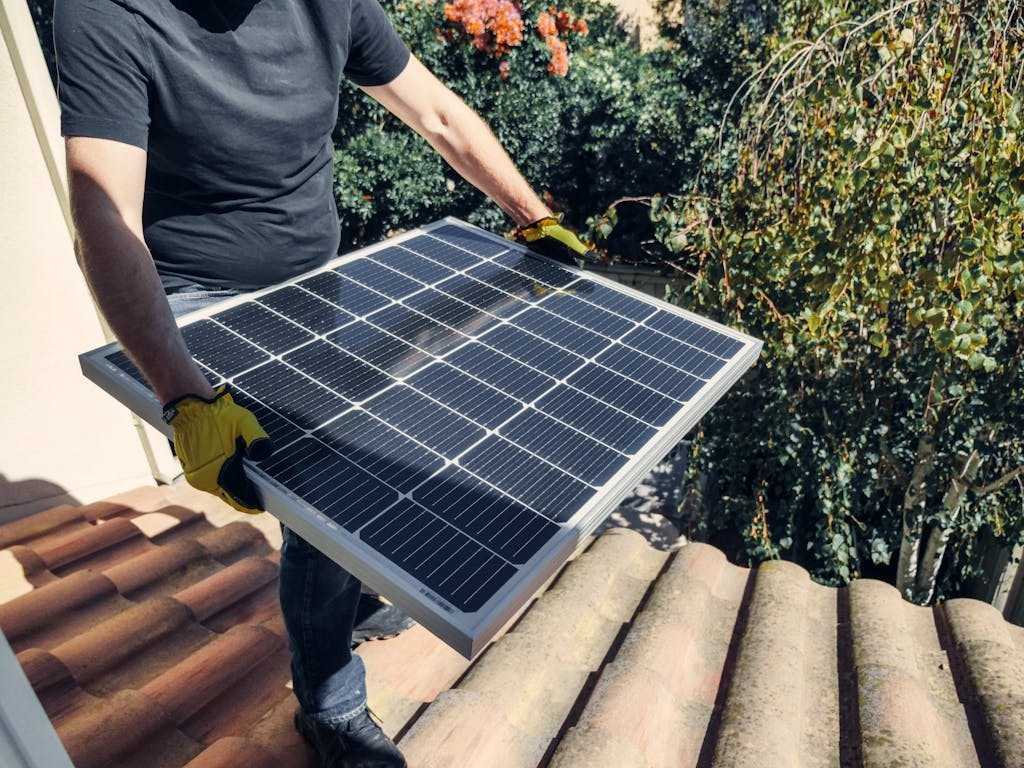
The question Are solar panels free? is a common one among homeowners exploring solar energy. The idea of installing the best solar for home without upfront costs is appealing, but understanding what “free” really means is key to making an informed decision. At TruLine Solar, we’re committed to transparency, helping you navigate the costs, benefits, and financing options to find the ideal solar solution for your home and budget.
What “Free Solar Panels” Really Means
When companies advertise “free solar panels,” they typically refer to programs like solar leases or Power Purchase Agreements (PPAs) that require little to no upfront payment. However, the panels aren’t truly free—you’re paying for the energy they produce over time. In these setups:
- The solar company owns and maintains the panels installed on your property.
- You pay a fixed monthly fee (lease) or for the electricity generated (PPA), often at a lower rate than utility prices.
- You save on electricity bills without the initial investment, but you don’t own the system or qualify for tax incentives.
While these options make solar accessible, ownership through purchase or financing often delivers greater long-term value. Let’s explore the options to find the best solar for home.
Solar Financing Options Explained
Choosing the right financing depends on your financial goals, homeownership status, and energy needs. Here’s a breakdown:
1. Solar Lease
- How it works: You lease the solar system from a provider, paying a fixed monthly fee, typically lower than your current utility bill.
- Pros: No upfront cost, immediate savings, and the provider handles maintenance.
- Cons: You don’t own the system, so you miss out on tax credits. Lease terms (15–25 years) may complicate home sales.
- Best for: Homeowners wanting solar without upfront costs or maintenance responsibilities.
2. Power Purchase Agreement (PPA)
- How it works: You pay for the electricity generated by the panels at a predetermined rate, often lower than utility rates.
- Pros: No upfront cost, predictable energy rates, and provider-managed maintenance.
- Cons: No ownership or tax incentives, and rates may increase over time.
- Best for: Those seeking flexibility and minimal upfront investment.
3. Solar Loan
- How it works: Finance your system with a loan, often with zero or low down payment, spreading costs over 5–20 years.
- Pros: You own the system, qualify for the 30% Federal Solar Investment Tax Credit (ITC), and enjoy long-term savings.
- Cons: Monthly payments until the loan is paid off.
- Best for: Homeowners who want ownership and maximum financial benefits.
4. Outright Purchase
- How it works: Pay for the system upfront, owning it outright.
- Pros: Highest long-term savings, full access to incentives, and increased home value.
- Cons: Requires significant upfront investment.
- Best for: Those with available funds seeking the best ROI.
Why Solar Panels Aren’t Truly Free But Still Worth It
While leases and PPAs offer “free” installation, you’re paying for energy over time, not owning the system. Purchasing or financing, though requiring upfront or monthly costs, unlocks:
- Tax incentives: The 30% Federal ITC (2022–2032, 26% in 2033, 22% in 2034) reduces costs significantly.
- Long-term savings: After paying off a loan or purchase, your electricity is essentially free for the system’s 25–30-year lifespan.
- Home value boost: Studies show solar-equipped homes sell for 4–7% more and faster than non-solar homes.
The best solar for home depends on whether you prioritize immediate savings (leases/PPAs) or long-term value (ownership).
Financial Benefits of Owning Solar Panels
Owning your solar system—via loan or purchase—maximizes financial returns:
- Federal ITC: Deduct 30% of system costs (including installation) from federal taxes, with no cap, and unused credits roll over.
- Utility bill savings: Save $20,000–$60,000 over 25–30 years, depending on system size and local rates.
- Property value increase: Solar homes attract buyers with lower energy costs, boosting resale value.
- Rate protection: Lock in energy costs, shielding against utility rate hikes (typically 2–3% annually).
How TruLine Solar Delivers the Best Solar for Home
TruLine Solar ensures your system is tailored to your home’s needs, maximizing efficiency and savings. Our process includes:
- Home Energy Assessment: We analyze your energy usage, roof suitability, and sunlight exposure.
- Custom System Design: We recommend the optimal system size and components for performance and aesthetics.
- Transparent Financing: We guide you through leases, PPAs, loans, or purchases to match your budget.
- Expert Installation: Our certified technicians ensure safe, high-quality installations.
- Ongoing Support: We provide monitoring and maintenance to keep your system at peak performance.
Environmental Benefits of Solar Power
Solar energy reduces your carbon footprint and promotes sustainability:
- Lower emissions: Cuts reliance on fossil fuels, reducing greenhouse gases.
- Cleaner air: Decreases pollutants, improving public health.
- Renewable energy: Harnesses the sun’s abundant, clean energy without depleting resources.
Choosing solar is a powerful step toward a greener future.
Maximizing Your Solar Investment
To ensure you get the best solar for home, consider:

